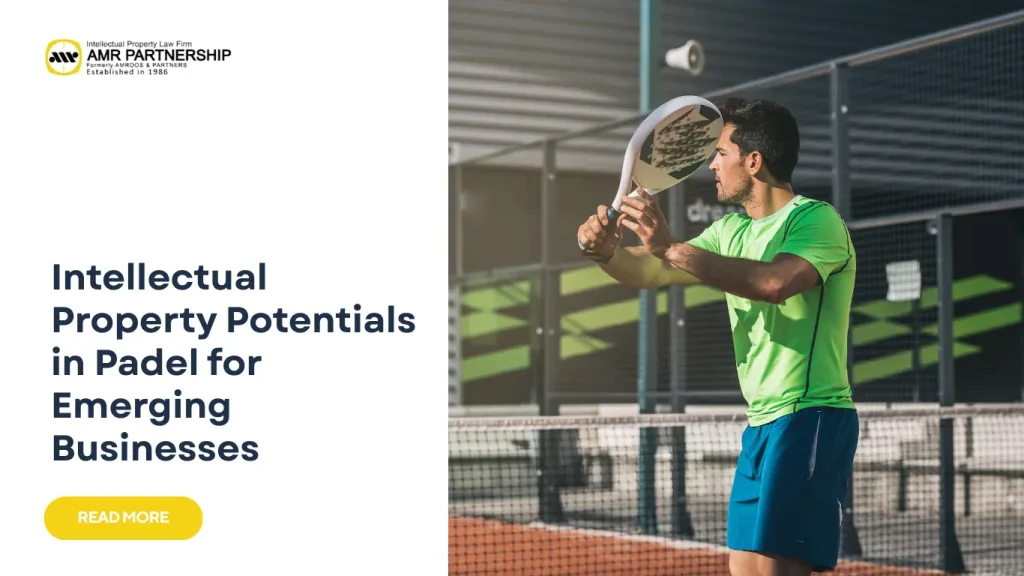
Padel is no longer just a weekend trend people casually try. In the past few years, many entrepreneurs have started investing in it seriously—whether by opening courts, running academies, selling apparel, or organizing large-scale tournaments. Once the business grows and gains visibility, the next big question inevitably comes up, How do you make sure your brand, products, programs, and overall business concepts aren’t easily copied? That’s where intellectual property potentials in padel become highly relevant.
Why IP Matters When Padel is Growing
As an industry rises and gains exposure, competition also shows up—often faster than expected. Common issues include:
-
businesses launching with similar names
-
training materials copied without permission
-
jersey or equipment design replicated
-
visual assets reused freely
-
events created using almost identical concepts
All these things require investment—time, research, operational effort, strategy, and money.
IP ensures that those efforts are legally attributed to their rightful owner.
Intellectual Property Potentials in the Padel Industry
1. Trademarks for Brand Identity
The moment your brand name and logo start appearing on jerseys, landing pages, sponsor boards, social media content, or event signage, it already carries commercial value.
Typical examples:
-
academy or club names
-
tournament names
-
program taglines
-
consistently used logos or symbols
Without protection, the risk is simple:
someone else launches with a similar name and absorbs the brand awareness you’ve already built.
2. Industrial Designs for Product Visual Elements
In padel, visual uniqueness matters. Some examples include:
-
racket shape or design elements
-
exclusive jersey design
-
packaging for accessories or equipment
When the design is distinct and produced commercially, it becomes an asset worth protecting legally.
3. Patents for Technical-Based Innovations
This area is increasingly relevant as padel intersects with new materials and tech-driven features.
Some examples:
-
racket materials engineered to reduce vibration
-
portable court structures
-
scoring systems with integrated technology
When the innovation is genuinely new and technically driven, patent protection gives exclusive rights over commercial use.
4. Copyright for Content and Learning Materials
Copyright covers a wide range of assets, such as:
-
structured training modules or curriculum
-
coaching videos or tutorials
-
event graphics and visual layouts
-
presentation materials
-
digital content designs
This becomes even more valuable if the content is monetized—through membership, certification, or paid programs.
5. Trade Secrets for Internal Know-How
Not everything needs to be registered. Some valuable things simply need confidentiality.
For instance:
-
academy training structure and methodology
-
pricing formulas for different player segments
-
community management playbook
-
standardized assessment system
As long as the confidentiality is maintained, these elements remain strong business assets.
What This Means for Padel Businesses
Most players in the padel industry already have valuable intangible assets—they just haven’t categorized them into the appropriate IP form. Securing protection early creates a safer foundation to grow—whether you’re scaling locations, entering licensing-based models, or partnering with larger brands.
FAQ
What is intellectual property in sports?
It refers to brand identity, innovations, designs, content, training systems, and other commercially valuable elements created within the sports ecosystem.
Why is padel increasing in popularity?
Because it’s easy to learn, progress can be seen quickly even by first-time players, it’s highly social, and the business model is scalable—from courts to academies and events.
What are the 4 types of intellectual property?
Trademark, Patent, Copyright, Industrial Design.
What is DGIP Indonesia?
The Directorate General of Intellectual Property is Indonesia’s official government body responsible for IP registration, examination, publication, issuance of certificates, and administration of the national IP database. It operates under the Ministry of Law and Human Rights.
- Phone (Hunting): +62-21-29036668
- Fax: +62-21-29036672 to 75
- WhatsApp Customer Service: Click here to chat
- Instagram: @amrpartnership
- TikTok: @amr.partnership
- Facebook: Law Firm AMR Partnership
- Official Website: www.amr.co.id