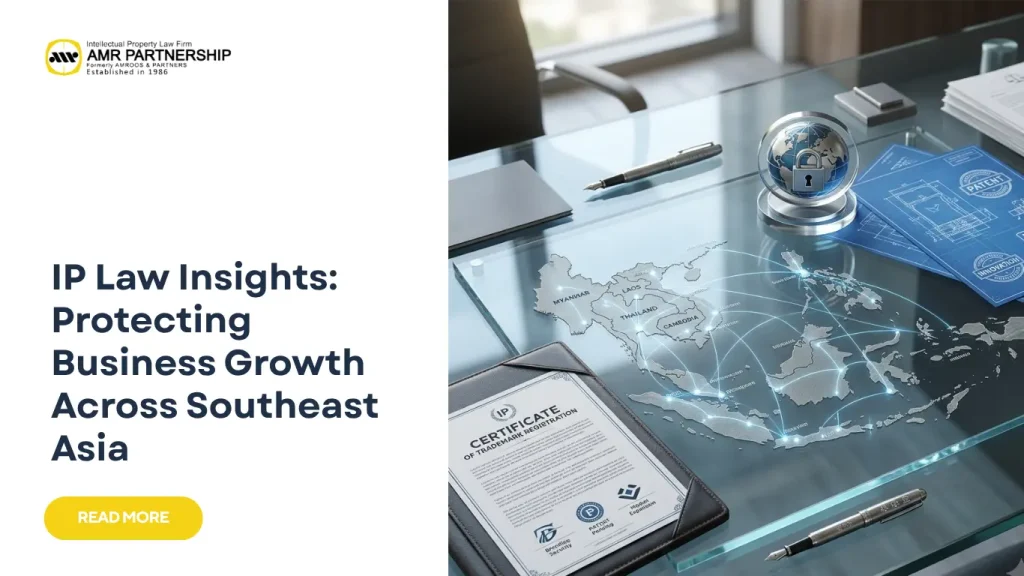
Businesses expanding into Southeast Asia need more than trademark registration—they need a strategic IP protection plan. Differences in IP systems, digital growth, and emerging technologies make early IP planning essential to protect brand value, innovation, and long-term business opportunities.
IP Protection Challenges Businesses Face When Expanding Into Southeast Asia
Expanding into Southeast Asia offers significant business opportunities, but intellectual property (IP) protection is often overlooked during market entry planning. Many companies focus on sales, operations, and marketing first, only considering IP protection after their brand or innovation has already gained market attention.
This can create unnecessary risks because IP rights are generally territorial. A trademark, patent, or copyright protection obtained in one country does not automatically provide protection across all Southeast Asian markets.
With ASEAN representing a market of more than 680 million people, businesses entering the region need to consider how their valuable assets—including trademarks, technology, designs, and creative works—can be protected across different jurisdictions. Early IP planning helps companies reduce legal uncertainty and protect future commercial value.
The Latest IP Law Developments Shaping Business Strategies in SEA
IP strategies are evolving alongside changes in technology and digital business models. Companies today are not only protecting physical products but also software, digital content, innovative solutions, and brand identities.
One major development is the growing discussion around artificial intelligence (AI) and intellectual property rights. The World Intellectual Property Organization (WIPO) continues to analyze how AI affects copyright ownership, human contribution, and future IP frameworks. Businesses using AI-generated content or AI-driven technologies need clear policies to manage ownership and protection risks.
Cross-border trademark protection is also becoming increasingly important as businesses expand online. Through international systems such as the Madrid System, managed by WIPO, companies can seek trademark protection in multiple markets while still complying with local requirements in each jurisdiction.
For technology-driven businesses, patent strategies are also becoming more relevant. The Patent Cooperation Treaty (PCT) provides a framework that allows applicants to pursue patent protection internationally through a unified filing process before entering individual national phases.
Common IP Mistakes Companies Make Before Entering New Markets
Many businesses underestimate IP risks because they assume their existing registrations provide global protection. In practice, failing to prepare an IP strategy before expansion can affect brand growth and market opportunities.
Some common mistakes include:
- Launching products before checking trademark availability.
- Assuming one trademark registration covers multiple countries.
- Ignoring IP searches before investing in branding.
- Focusing on registration but having no monitoring or enforcement plan.
For example, a company preparing to enter several Southeast Asian markets should evaluate whether its brand name, logo, technology, or creative assets are available and protectable in each target market.
A proactive approach allows businesses to identify potential conflicts earlier and avoid costly adjustments after expansion.
Building an IP Strategy That Supports Long-Term Business Growth
A strong IP strategy starts by understanding which assets create the most business value. Companies can take several practical steps:
1. Identify valuable IP assets
Businesses should map their trademarks, inventions, designs, software, and confidential information.
2. Conduct IP searches before filing
Trademark and patent searches help companies evaluate potential conflicts and improve filing decisions.
3. Align protection with expansion goals
IP filings should support commercial priorities, including target markets, product launches, partnerships, and investment plans.
4. Monitor and enforce IP rights
Protection does not end after registration. Continuous monitoring helps businesses respond to unauthorized use or potential infringement.
By treating IP as a strategic business asset, companies can strengthen their competitive position while expanding into new markets.
Protect Your Business Expansion With AMR’s IP Legal Support
Navigating IP protection across Southeast Asia requires an understanding of both international frameworks and local legal procedures.
AMR Partnership supports businesses with intellectual property matters, including trademark protection, patent services, copyright protection, IP searches, and legal consultation for companies seeking to safeguard their innovations and brands.
For businesses entering Southeast Asia, early IP planning can provide greater confidence, reduce legal risks, and protect the assets that drive long-term growth.
Sources:
- World Intellectual Property Organization (WIPO) – Madrid System and Patent Cooperation Treaty (PCT)
- World Intellectual Property Organization (WIPO) – Artificial Intelligence and Intellectual Property discussions
- ASEAN Secretariat – ASEAN Key Figures 2024
- ASEAN Digital Economy Framework Agreement (DEFA) initiatives
- Phone (Hunting): +62-21-29036668
- Fax: +62-21-29036672 to 75
- WhatsApp Customer Service: Click here to chat
- Instagram: @amrpartnership
- TikTok: @amr.partnership
- Facebook: Law Firm AMR Partnership
- Official Website: www.amr.co.id