Many businesses treat trademark registration like a one-time task: file it, get approval, move on. That assumption can become expensive. If you’re wondering what happens if a trademark is not renewed, the short answer is this: your legal protection can lapse, competitors may move faster than you expect, and recovering your rights may be harder—and more expensive—than simply renewing on time.
For businesses operating across Southeast Asia, this matters even more because renewal rules, grace periods, and recovery options can differ by jurisdiction.
You May Lose Exclusive Rights to Your Brand
A registered trademark gives you exclusive rights to use your brand name, logo, or slogan for specific goods or services.
But trademark protection is not permanent unless properly maintained.
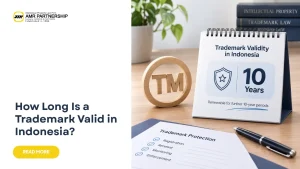
In many jurisdictions, trademark registrations are valid for 10 years and can be renewed for additional terms. For example, Hong Kong trademarks are protected for 10 years and may be renewed every 10 years if deadlines are met.
Miss the renewal deadline, and your registration may expire.
That means:
- Your exclusive rights may lapse
- Enforcing your trademark against copycats becomes harder
- Competitors may attempt to register similar or identical marks
- Your brand’s commercial value can weaken
If your trademark is tied to customer trust, packaging, digital ads, or regional expansion, losing it is not a small administrative mistake—it’s a business risk.
What Happens If a Trademark Is Not Renewed After the Deadline?
Not always.
Some jurisdictions provide a grace period after expiry.
For example, in Hong Kong:
- Renewal can be filed within the 6 months before expiry
- A 6-month grace period may still allow renewal after expiry (usually with extra fees)
- If removed, restoration may be possible within another 6 months, depending on approval conditions
But here’s the catch: these rules are not universal.
Singapore, Malaysia, Indonesia, Thailand, and other markets may have different procedures, deadlines, and restoration standards.
So while an expired trademark is not always instantly gone, assuming you’ll “fix it later” is risky.
Why This Matters More in 2026
Trademark systems across Asia are becoming faster and more digitally streamlined.
Indonesia’s 2026 trademark regulatory update, for example, significantly accelerated administrative processes, with renewal recordation reportedly shortened from months to just days in standard cases.
That’s good news—but it also changes expectations.
The old excuse of “the system takes too long” becomes less convincing.
Today, the bigger risk is internal oversight:
- missed reminders
- outdated registry contact details
- management transitions
- unmanaged multi-country portfolios
In short: the process may be faster, but mistakes can still happen fast too.
The Biggest Risk Isn’t Legal—It’s Commercial
The legal issue is obvious.
The business damage is often worse.
Imagine building brand awareness for 10 years, investing in:
- product packaging
- website traffic
- SEO
- paid ads
- distributor relationships
- regional market expansion
Then your trademark lapses.
Now a competitor files a similar mark.
Best case? Legal stress and extra costs.
Worst case? Rebranding.
That means:
- changing packaging
- updating domains
- rebuilding trust
- confusing customers
- losing momentum in multiple markets
For businesses expanding across Southeast Asia, that risk multiplies.
A missed renewal in one jurisdiction can disrupt broader regional brand strategy.
How Businesses Avoid This Problem
The simplest answer: treat trademark renewals like business-critical deadlines, not admin housekeeping.
Practical steps:
- Track expiry dates well in advance
- Don’t rely only on registry reminder notices
- Keep ownership/contact details updated
- Review trademark portfolios regularly
- Use professional support if managing multiple jurisdictions
This becomes especially important if your business operates across Singapore, Malaysia, Indonesia, Hong Kong, or broader Asia-Pacific markets.
Deadlines vary, rules differ, and recovery options are not always the same.
That complexity is exactly where businesses get caught out.
Protect Your Brand Before It Becomes a Recovery Project
If you’re still wondering what happens if a trademark is not renewed, the safest answer is simple: prevention is far cheaper than recovery.
AMR helps businesses protect trademark portfolios, manage renewals, and reduce cross-border IP risk—before missed deadlines become expensive legal problems.
FAQ
Can trademarks be renewed forever?
In many jurisdictions, yes. As long as renewal requirements are met and fees are paid, trademarks can often be renewed indefinitely in recurring terms.
How often can a trademark be renewed?
In many countries, trademarks are renewed every 10 years. However, exact timelines vary depending on jurisdiction, so businesses with international portfolios should verify country-specific rules.
Can you take an expired trademark?
Potentially, yes. If a trademark has fully lapsed and becomes available, another party may attempt to register it. Whether that succeeds depends on jurisdiction, timing, prior rights, and legal challenges.
- Phone (Hunting): +62-21-29036668
- Fax: +62-21-29036672 to 75
- WhatsApp Customer Service: Click here to chat
- Instagram: @amrpartnership
- TikTok: @amr.partnership
- Facebook: Law Firm AMR Partnership
- Official Website: www.amr.co.id