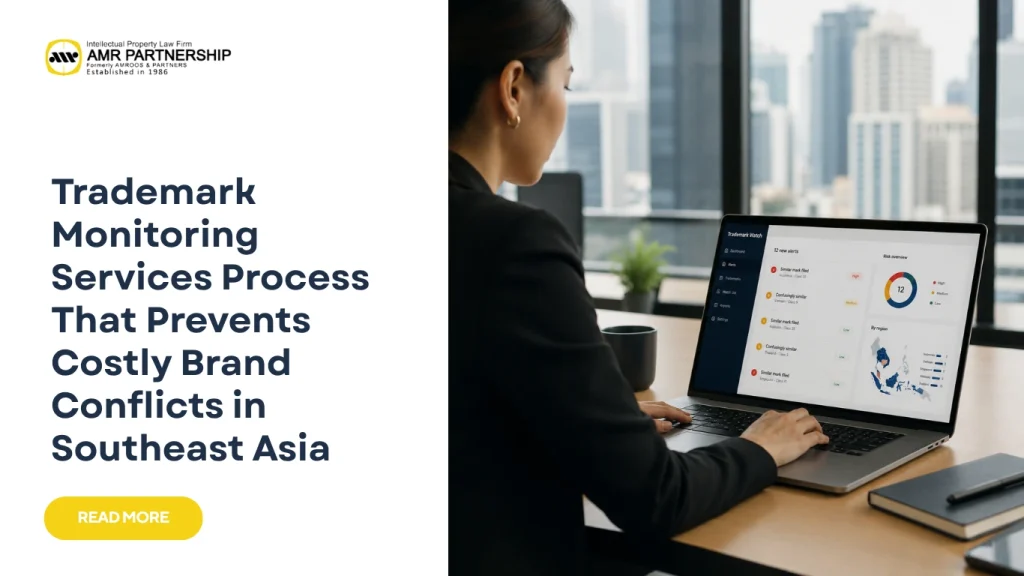
Trademark registration is only the beginning of brand protection. A trademark monitoring services process helps businesses detect similar trademark filings, assess risks, and take action before conflicts escalate. For companies expanding across Southeast Asia, monitoring can be significantly less expensive than dealing with rebranding, disputes, or delayed market entry later.
Why Trademark Registration Alone Is Not Enough
Many businesses assume their brand is fully protected once a trademark is registered. In reality, trademark registration does not automatically stop others from filing similar marks or using confusingly similar branding.
This is becoming increasingly important as businesses expand across Southeast Asia. According to the World Intellectual Property Organization (WIPO), millions of trademark applications are filed globally every year, creating a highly competitive brand landscape. As more companies enter regional markets, the likelihood of trademark conflicts naturally increases.
Without ongoing monitoring, businesses may only discover a problem after customer confusion occurs, a competitor gains market traction, or legal action becomes more costly.
Trademark Monitoring Services Process Explained
A professional trademark monitoring service follows a structured process designed to identify risks early and support informed business decisions.
1. Assessing the Trademark Portfolio
The process starts by identifying which trademarks require protection.
This may include:
- Registered trademarks
- Pending applications
- Logos and brand elements
- Product and service categories
- Countries targeted for expansion
A clear understanding of the portfolio ensures monitoring focuses on assets that matter most to the business.
2. Monitoring New Trademark Applications
The next step involves monitoring trademark databases for newly filed applications that may conflict with existing rights.
For businesses targeting Southeast Asia, monitoring often covers multiple jurisdictions, including Singapore, Malaysia, Thailand, Vietnam, and the Philippines.
Early detection provides more flexibility before a potentially conflicting mark becomes established.
3. Detecting Potential Conflicts
Not every similar trademark creates a legal problem. Monitoring systems identify filings that may create a likelihood of confusion based on factors such as:
- Similar spelling
- Similar pronunciation
- Similar visual appearance
- Related goods or services
This helps businesses focus on genuine risks rather than harmless similarities.
4. Evaluating Legal and Commercial Risks
Once a potentially conflicting trademark is identified, legal and commercial factors are reviewed.
Key considerations typically include:
- Market overlap
- Consumer confusion risk
- Industry relevance
- Geographic scope
- Brand reputation
This step is critical because a trademark issue is not only a legal concern—it can also affect market expansion plans and long-term brand value.
5. Reporting and Strategic Recommendations
Businesses receive reports outlining identified risks and recommended actions.
Rather than simply generating alerts, effective trademark monitoring helps decision-makers understand which risks require immediate attention and which can be monitored over time.
6. Enforcement and Brand Protection Actions
If a significant conflict is identified, businesses may choose to take action through:
- Trademark oppositions
- Cease-and-desist communications
- Marketplace takedown requests
- Investigation and evidence gathering
- Legal enforcement strategies
Acting early is often less expensive and more effective than addressing a dispute after a competing brand becomes established.
Why ASEAN Expansion Creates More Trademark Risks
Southeast Asia is one of the world’s fastest-growing digital regions. According to the Google, Temasek, and Bain e-Conomy SEA report, the region’s digital economy has surpassed US$260 billion and continues to attract businesses across technology, retail, finance, and consumer sectors.
For growing brands, this creates both opportunity and risk.
As more companies enter ASEAN markets, trademark applications increase, brand names become more competitive, and cross-border disputes become more common. A trademark available in one country may face challenges in another, making regional monitoring increasingly valuable for businesses with expansion plans.
What Happens When Trademark Conflicts Go Undetected?
The cost of ignoring trademark risks can extend far beyond legal fees.
Businesses may face:
- Rebranding expenses
- Delayed market entry
- Customer confusion
- Loss of brand recognition
- Enforcement costs
- Lost commercial opportunities
In many cases, identifying a conflict during the application stage is substantially more cost-effective than resolving a dispute after launch.
Protect Your Brand with a Proactive Monitoring Strategy
Trademark monitoring is not simply about receiving notifications. The real value lies in understanding potential risks early and taking the right action before those risks impact business growth.
With nearly 40 years of intellectual property experience, AMR Partnership supports businesses with trademark monitoring, investigation, enforcement, and portfolio protection strategies. Having handled more than 135,000 trademark matters and serving clients across multiple industries, AMR helps businesses protect their brands as they expand into competitive regional and international markets.
For more information about AMR Partnership, feel free to contact us:
- Phone (Hunting): +62-21-29036668
- Fax: +62-21-29036672 to 75
- WhatsApp Customer Service: Click here to chat
- Instagram: @amrpartnership
- TikTok: @amr.partnership
- Facebook: Law Firm AMR Partnership
- Official Website: www.amr.co.id