
Trademark Opposition Checklist for Opposers Before Filing in Japan
If you plan to oppose a trademark in Japan, preparation is just as important as legal arguments. A complete checklist helps you meet the filing deadline, identify valid grounds, and…

If you plan to oppose a trademark in Japan, preparation is just as important as legal arguments. A complete checklist helps you meet the filing deadline, identify valid grounds, and…
Expanding your business into Indonesia involves more than registering your trademark in its original language. If your brand name contains common words that can be translated into Bahasa Indonesia, relying…

Entering Indonesia without an intellectual property (IP) strategy can expose businesses to unnecessary legal and commercial risks. Before launching products or services, foreign businesses should understand how Indonesian copyright and…

Knowing how to IP registration starts with choosing the right type of intellectual property. Copyright, trademarks, patents, industrial designs, and trade secrets protect different assets, so filing under the wrong…
Looking for a copyright IP law service in Indonesia? Businesses expanding into Southeast Asia need more than automatic copyright protection—they need clear ownership, enforceable rights, and legal strategies that reduce…
Indonesia is the largest economy in Southeast Asia and a key destination for international brands expanding into ASEAN. This FAQ the Registration of Trademark in Indonesia answers the most common…
Planning to launch software, digital content, or AI-powered products in Indonesia? Copyright protection generally arises automatically, but ownership disputes, licensing issues, and infringement risks can still create significant business challenges.…
Using generative AI does not automatically give you copyright ownership over the content it creates. In many jurisdictions, copyright protection still depends on meaningful human creativity. As businesses across Southeast…
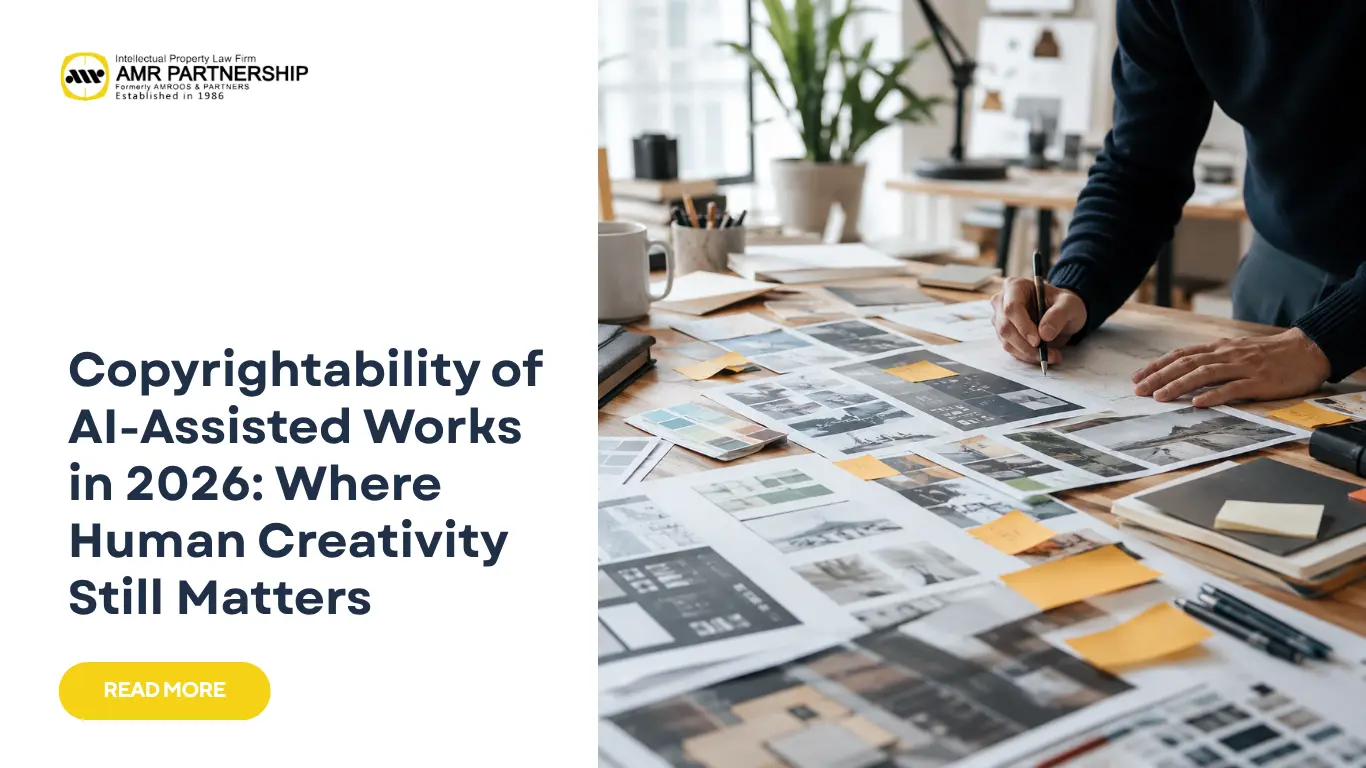
Not every work created with AI qualifies for copyright protection. In 2026, courts, regulators, and copyright authorities increasingly agree on one principle: AI can assist the creative process, but meaningful…
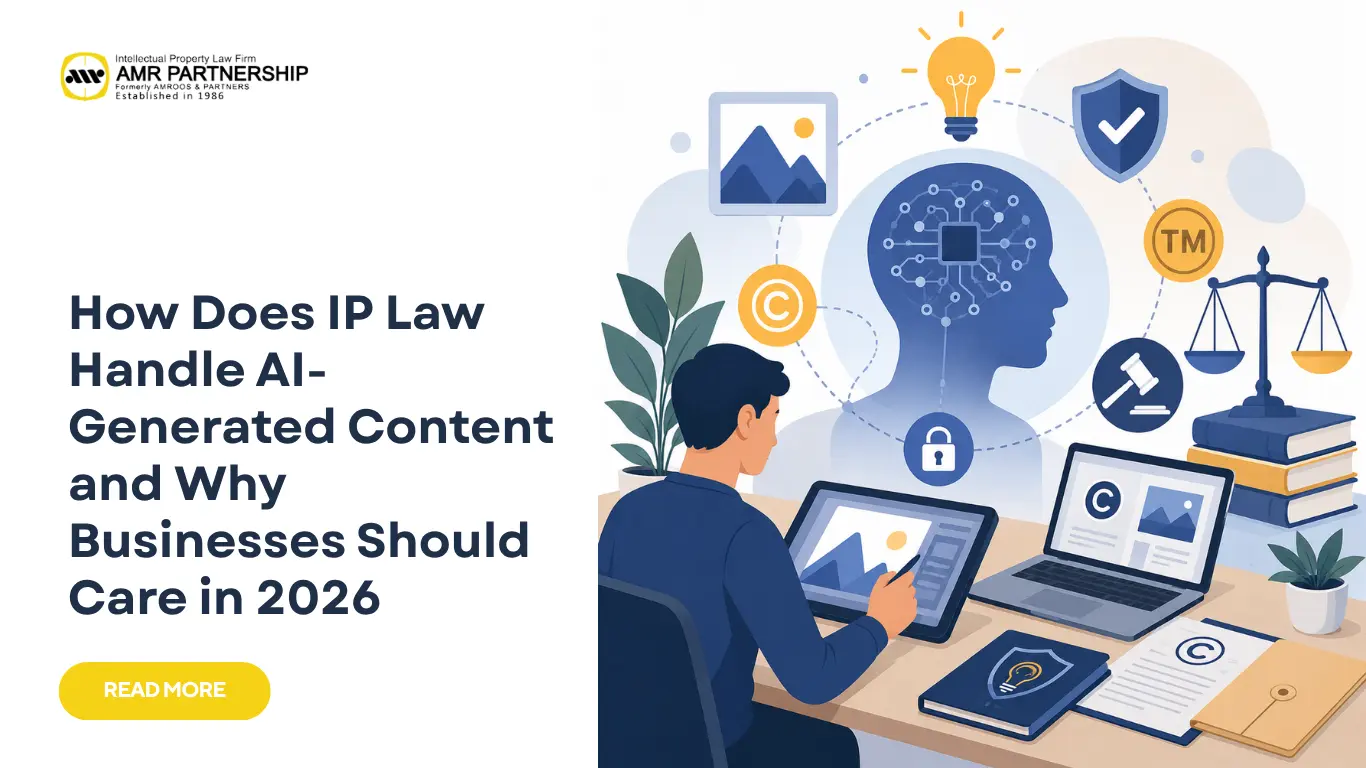
AI-generated content is no longer just a technology issue—it has become an intellectual property challenge. In 2026, businesses using AI for marketing, product design, software development, or content creation must…